最終更新日:2020年11月07日
海外FX業者には様々な種類がありますが、その1つにIronFXがあります。
ハイレバレッジや豊富なボーナス制度が特徴の業者ですが、その一方で批判的な評価や口コミもあります。
IronFXはかつて日本市場から一度撤退しており、その際に様々なトラブルが発生しました。
また、グループ会社による顧客資金の未払いなども話題になりました。
海外FXを始めたばかりの初心者は、IronFXを使って良いものかどうか迷ってしまうかもしれません。
そこで今回は、IronFXの評判や口コミをもとに、その特徴を当編集部がわかりやすく解説していきます。
IronFXの概要とアカウント
IronFXは2010年に地中海東部の国であるキプロスで設立された企業です。
4つの子会社を介してFXを中心としたサービスを提供していて、それぞれの会社によって最大レバレッジやボーナスの有無などが異なるのが特徴です。
「Notesco Financial Services Limited」、「GVS (AU) Pty Limited」、「8 safe UK limited」、「Balvento Limited」の4種類です。
「Notesco Financial Services Limited」はキプロスを所在地とする子会社で、IronFXキプロスのアカウントを運営しています。
レバレッジは最大30倍でボーナスはなく、日本は口座開設の対象外です。
「GVS (AU) Pty Limited」はオーストラリアを所在地とし、IronFXオーストラリアのアカウントを運営している子会社です。
レバレッジは最大500倍でボーナスもありますが、日本は口座開設の対象外になります。
日本で開設可能なアカウント
「8 safe UK limited」はイギリスを所在地とする子会社で、IronFXイギリスのアカウントを運営しています。
IronFXのサポートに依頼すれば日本でも口座開設は可能ですが、最大レバレッジは30倍でボーナスもありません。
国内FX並のレバレッジしかないため、海外FXを楽しむための実用性は高くありません。
「Balvento Limited」はバミューダを所在地とし、IronFXバミューダのアカウントを運営している子会社です。
日本でIronFXの口座を開設する場合、特別な問い合わせをしなければ自動的にバミューダアカウントを利用することになります。
IronFXバミューダは2010年に設立され、現地のバミューダ金融当局(BMA)の金融ライセンスを取得しています。
他のアカウントよりも高倍率のレバレッジで、ボーナスもあります。
IronFXの良い評判と口コミ

IronFXのWebにおける良い評判と口コミをまとめると、以下のような評価があります。
100%入金ボーナスがある
口座に入金した金額を実質的に2倍にして取引できるサービスです。
自己資金より大きな金額でトレードできるので、海外FXならではのダイナミックなトレード感覚が楽しめます。
複数のボーナス制度がある
ボーナス制度はトレードをより楽しめるスパイスのようなものですが、複数のボーナスがあると楽しみの幅が増えますね。
自分にぴったりのボーナスを見つける楽しさもあります。
手数料無料の口座がある
手数料がかかると、実質的にはトレーダーの利益はその分だけ小さくなってしまいます。
手数料が無料だとタイミングを気にしなくていいので楽ですね。
レバレッジは最大1000倍と高い
海外FXの醍醐味の1つはハイレバレッジですが、IronFXは最大1000倍とかなりの高倍率です。
大きく賭けて大きく儲ける、という言葉がぴったりです。
IronFXの良い評判と口コミをみると、複数の入金ボーナスがあること、手数料無料の口座があること、ハイレバレッジなどが高評価につながっているようです。
IronFXの悪い評判と口コミ
IronFXのWebにおける悪い評判と口コミをまとめると、以下のような評価があります。
IronFXはいくら問いあわせてもお待ちくださいばかり
どうしても知りたい情報があるときに問い合わせの返事を待たねばならないと、その間にトレードの損失につながる可能性があります。
信用力の問題があるので、口座開設は自己責任で
IronFXに関連して過去にいくつかの事件が発生しているようです。
口座開設は慎重に検討すべきという意見のようですね。この点はあとで詳しく解説していきます。
2年以上も資金をだしてもらえない。利益ではなくて元金なのに
出金拒否ということですね。IronFXは高額な出金拒否の事件の話もあるようで、上記の自己責任論につながっているようです。
日本語サポートにメールしても出金できないことへの回答がない
これもやはり出金関係のトラブルですね。
せっかくハイレバレッジで取引できるのであれば、安心して出金できる環境を整えてほしいところです。
IronFXの悪い評判と口コミをみると、問い合わせに対応してくれないことや、信用力の低さが問題になっているようです。
詳しくは後述しますが、IronFXは日本からの突然の撤退や顧客とのトラブルなどがあり、信用力の低下に影響している可能性があります。
IronFXの口座の種類
IronFXのトレード用の口座は大きく分けて2種類あり、ライブ口座とSTP/ECN口座です。
ライブ口座は相対取引決済に該当し、STP/ECN口座はマーケット取引決済に該当します。
ライブ口座はスプレッドが固定式の固定口座と、スプレッドが変動式の変動口座に分かれます。
それぞれの口座には複数のグレードがあり、証拠金によって使用できるグレードが異なります。
ライブ口座の特徴は入金額に応じてボーナスを選択できること、最大1000倍のレバレッジがあること、手数料がかからないことなどです。
STP/ECN口座は取引手数料がかからず、スプレッドが適用されるのが特徴です。
最大レバレッジはライブ口座よりも少ない500倍で、ボーナスの適用はありません。
IronFXは様々な条件の組み合わせによって多くの口座のタイプがありますが、主なポイントになるのは相対取引かマーケット取引か、スプレッドは固定式か変動式か、証拠金はどの程度必要かなどです。
IronFXのトレード商品

IronFXはFX以外にも複数のトレード商品があります。
貴金属、株価指数、コモディティ、先物取引、株式などです。
貴金属の取引対象は金、銀、プラチナなどです。FXと同じように売りと買いの注文で取引できます。
ポートフォリオを分散しやすい、市場の流動性が高いなどが特徴です。
株価指数の取引対象はUK100、NASDAQ、Germany30などがあります。
1%程度の低い証拠金で取引を始められるだけでなく、FXのようにレバレッジをかけてポジションを持てるのが魅力です。
コモディティの取引対象は原油、コーヒー、砂糖などです。
5~10%程度の低い証拠金で取引できる一方で、インフレの影響が少なく流動性が高いという特徴があります。
先物取引はコーヒーや天然ガスなどが取引の対象です。高い流動性と早い約定力で、スピーディーに取引できるのが特徴です。
商品の選択幅も広く、ポートフォリオの分散にも適しています。
株式は世界中の著名な株式が取引対象です。
現物で保有する必要がなく価格差で利益を得られる、流動性が高く素早く取引できる、長期ポジションでみると比較的信頼性が高いなどが特徴です。
IronFXのプラットフォーム
IronFXで使用する基本的なプラットフォームはMT4(MetaTrader4)です。
ロシアのソフトウェア会社であるMetaQuotes社が開発したチャートソフトで、利便性の高さから世界中のトレーダーに使用されています。
MT4を使用するには基本的にはソフトをダウンロードする必要がありますが、IronFXはMT4とは異なるダウンロード不要のプラットフォームも提供しています。
こちらはインターネットにアクセスしてログインするだけで使えるので、ネット環境があればどこからでもアクセスしてトレードできます。
IronFXのボーナスの特徴
IronFXのボーナスの特徴は、初回限定ではないことです。
ボーナスの条件を満たす入金をする度に適用されます(上限額が設定されている場合あり)。
ボーナスを受け取れる口座は、相対取引決済のライブ口座のみです。
IronFXの主なボーナスは100%無制限シェアリングボーナス、40%パワーボーナス、20%Ironボーナスなどがあります。
100%無制限シェアリングボーナスは、500米ドル以上を入金すると同額の100%のボーナスを受け取れるサービスです。
出金できるのは利益の半分ですが、出金しなければ全額を取引に利用できます。
40%パワーボーナスは、500米ドル以上入金すると入金額の40%のボーナスを受け取れます。
ボーナスで得た利益は全額出金できますが、ボーナス自体は出金できません。
20%Ironボーナスは、入金額の20%相当のボーナスが受け取れる制度です。
上限額は2000米ドルまでで、利益は全額出金できますが、ボーナス自体は出金の対象外です。
損失をだした場合は全額が自己負担になります。
IronFXの日本市場からの撤退
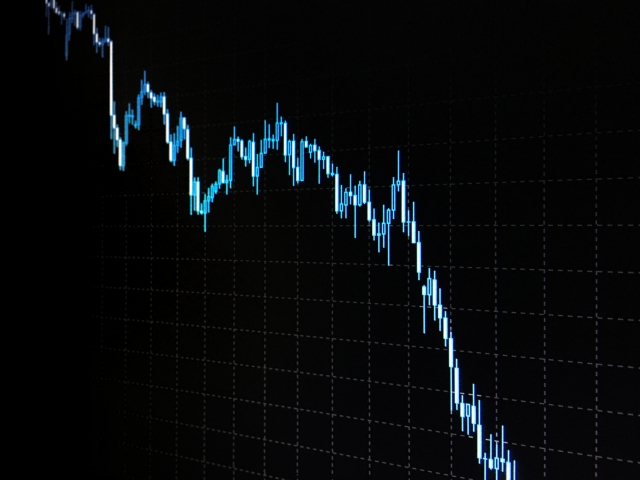
IronFXは2014年に一度日本市場から撤退しています。
日本の金融庁から2012年に警告を受けた後、日本のFX業者としての認可を獲得するための突然の撤退でした。日本の営業者は閉鎖され、従業員も解雇されています。
事前の告知のない突然の撤退だけでもトレーダーにとっては衝撃でしたが、新規口座の開設の禁止、既存口座の停止、ポジションの強制決済などが実施され、大混乱に陥りました。
騒動の後、IronFXは結局は金融庁の認可を取得できませんでした。
2015年には海外業者として再び日本に登場し、日本人の顧客の受入れを再開するようになりました。
IronFXグループの事件
IronFXのグループでは過去に大きな事件が起こっており、信頼性についてはそれを踏まえて慎重に検討すべきといえます。
事件が起きたのは2014年で、中国のIronFXのグループ会社による顧客資金の未払いが問題になりました。
中国のグループ会社である「Global Investment社」が、約30億円の顧客資金をトレーダーに支払わなかった疑惑が浮上したものです。
現地のテレビ番組がIronFX社の疑惑についてリポートを報じたところ、中国人のトレーダー達が抗議を開始。
トレーダーの1人が刃物を持ってIronFX社に押しかけ、翌日までに出金を許可するように役員を脅迫するという事件が発生しました。
事件自体はトレーダーが出金処理を受けることでとりあえずは収束しましたが、IronFXの中国でのオフィスは閉鎖され、従業員600人以上が解雇される結果になりました。
IronFXの資産管理と信託保全
IronFXの資産管理は比較的に高レベルで、UBSやBAMなどの世界的に信頼性の高い金融機関によって管理されています。
IronFX自体の資産と顧客の資産を明確に区別しているのが特徴です。
信託保全についてはアカウントによって取扱が異なります。
IronFXイギリスのアカウントでは、補償機構の基金とイギリスのロイズ銀行の保険によって、顧客1人あたりで最大100万ポンドが保証されています。
一方、日本の基本的なアカウントであるIronFXバミューダでは第三者機関による補償制度がないため、万が一の倒産などの事態に不安が残ります。
IronFXはリスクを把握しつつ運用を

IronFXは最大1000倍のハイレバレッジと、初回入金以降も適用される豊富なボーナス制度が魅力です。
スプレッドの固定式と変動式を選択できるライブ口座や、取引手数料がかからないSTP/ECN口座など、口座の種類も豊富です。
一方、2014年に発生した日本市場からの突然の撤退や、約30億円の顧客資金の出金拒否騒動など、過去には様々なトラブルも発生しています。
また、IronFXの日本アカウントであるIronFXバミューダには第三者機関の補償制度がないため、倒産した場合の資金回収には若干の不安が残ります。
過去のトラブルが現在の評価に直結するわけではありませんが、万が一のリスクを把握しつつ、ハイレバレッジやボーナス制度を活用して賢く運用するのがおすすめです。
おすすめの海外FX業者ランキング
第1位 XM

XMは海外FX大手であり、信頼性が高いのが魅力です。
スキャルピングが可能な海外FX取引所としても知られていて、短時間のトレードを主体にする兼業トレーダー、専業トレーダーに人気。
また、最大888倍と高いレバレッジで取引が可能で、追証なしのゼロカットを導入しているため海外FX初心者にもおすすめです。
日本語サポートデスクのレベルも高く、国内業者並みに安心して取引できます。
XMのおすすめポイント
- ●公式にスキャルピングを認めている
- ●レバレッジは最大888倍と高倍率
- ●追証なしのゼロカットで取引も安心
- ●日本語サポートが充実
\今すぐ無料登録/
第2位 GEMFOREX

GEMFOREXは2019年6月にニュージーランドで金融ライセンスを登録し、信頼性が飛躍的に向上しました。
レバレッジは最大1,000~5,000倍で取引可能で、少ない資金、短時間でトレードをしたい人に人気です。
また、ボーナスが充実している海外FX取引所として知られていて、口座開設や入金ボーナス目当てで初める人が多いのも特徴です。
GEMFOREXのおすすめポイント
- ●ニュージーランド金融ライセンス登録で信頼性UP
- ●レバレッジは1,000〜5,000倍と業界屈指の高倍率
- ●口座開設や入金ボーナスが充実している
\今すぐ無料登録/
第3位 Axiory

短期トレードに特化した海外FX業者で、スプレッドの狭さが魅力です。
ロット制限が緩いため同業者では難しい大口取引にも使いやすく、兼業だけでなく専業トレーダーの愛用者が多いのが特徴。
取引方式も透明度が高いNDD方式を採用、ゼロカットシステムが採用されているため入金額以上の損失を受ける心配がありません。
レバレッジも最大400倍と国内FX業者と比較した場合は圧倒的で、中級~上級者にもおすすめです。
Axioryのおすすめポイント
- ●短期トレードに特化したFX業者でスプレッドが狭い
- ●大口取引やスキャルピングがしやすい
- ●ゼロカットを採用
- ●レバレッジも最大400倍と高水準
\今すぐ無料登録/
IronFX(アイアンエフエックス)の口コミ・評判
人気の海外FX取引所
IronFX(アイアンエフエックス)に関連するコンテンツ
IronFXのスワップポイントを通貨ペアごとに紹介!おすすめの通貨ペアはどれ?
IronFXのアフィリエイトとは?報酬やIBとの違いをわかりや
IronFXの安全性は高い?金融ライセンスや顧客資産管理方法などを徹底検証
IronFXのボーナスを紹介ーボーナスを獲得するための注意点にも注目!
IronFXの入金方法には何がある?ベストな入金方法と手順を紹介
IronFXの口座開設方法は超簡単!口座開設方法とボーナスを紹介
IronFXでベストな出金方法は?出金方法の種類と具体的な手続きを紹介
IronFX(アイアンエフエックス)の関連記事
【評判】ポケトレFX(インスタントレード)って怪しい?気になる口コミ/評判まとめ!
is6comの評判・口コミを徹底検証!その安全性や特徴を分かりやすく紹介